Voices of Pacific Island Nations (VOPIN) is committed to narrowing the educational and opportunity gaps facing Pasefika (Pacific Islander, or PI) students and families. For generations, PI students have navigated systemic barriers rooted in poverty, displacement, and limited access to culturally responsive support—challenges that continue to impact academic success today.
The data underscores the urgency. According to the Office of Superintendent of Public Instruction (OSPI), 68% of PI students qualify for free or reduced-price lunch, and 8% experience homelessness, despite Pasefika representing just 1.7% of total student enrollment statewide. In Seattle Public Schools, 44% of PI students do not live with both parents, contributing to instability that directly affects learning outcomes. These realities reflect a well-documented connection between poverty and educational achievement.
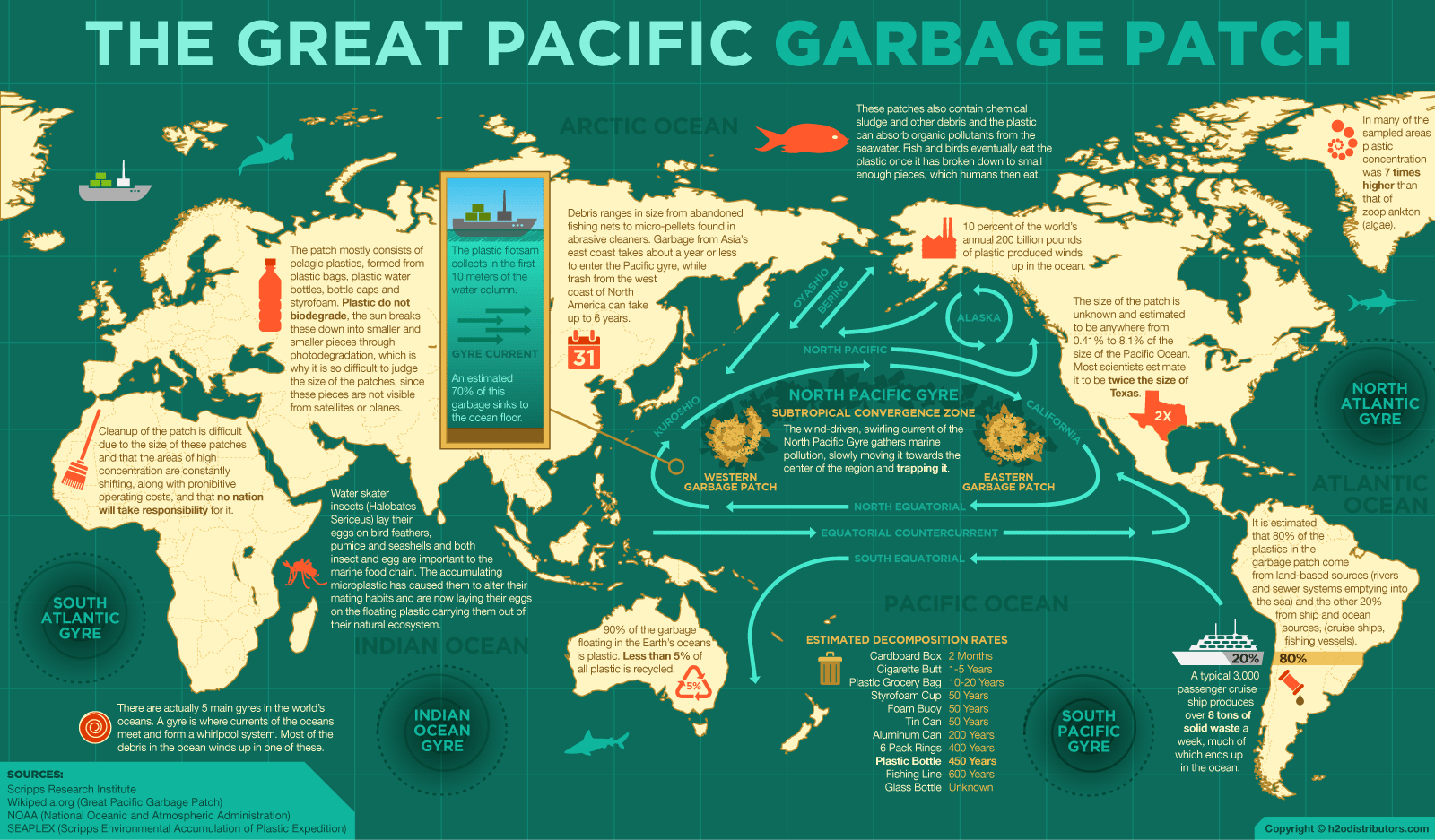
At the same time, Pasefika communities are facing a global crisis beyond the classroom. Climate change has already rendered parts of the Pacific uninhabitable, forcing families to leave their ancestral homelands and resettle elsewhere. Many PI families arrive as climate refugees, navigating new systems while confronting language barriers, cultural displacement, and harmful stereotypes. These challenges often lead to isolation and limit access to critical resources—especially for students.
Educational equity cannot be achieved by addressing academics alone. True solutions must account for the full social, economic, and cultural context of students’ lives. This requires intentional, coordinated public and private investment rooted in community partnership.
VOPIN meets this need by delivering culturally responsive programs and services, strengthening relationships, and serving as a trusted bridge between students, schools, families, and the broader community. We center Pasefika voices and lived experiences to ensure our students are not only supported but also empowered to thrive.