overview
Research consistently shows that students thrive academically when they see themselves reflected in their learning. Culture is not an add-on to education—it is a powerful connector that strengthens engagement, confidence, and achievement. There is no “one-size-fits-all” approach to learning, especially for Pasefika (Pacific Islander) students whose identities, histories, and experiences are often absent from traditional classrooms. That is why VOPIN’s programs are intentionally designed to complement existing educational practices by centering Pacific Islander culture as a foundation for learning.
Student success does not happen in isolation. Strong family and community connections are essential to a child’s educational journey. Yet many Pasefika families face systemic barriers, including stereotyping, marginalization, and ongoing socio-economic challenges that limit their access to resources and opportunities. These obstacles can create distance between families and schools—often leaving students without the support they deserve.
VOPIN exists to close that gap. Through culturally responsive programs and services, we address inequities at their root, uplift family voices, and strengthen community connections. By honoring culture, empowering families, and partnering with schools, we help create environments where Pasefika students and communities can truly thrive.
Youth and Young Adults Services
The future of our Pasefika (Pacific Islander) communities is being shaped today—by how we invest in our youth. As our world grows more complex, it is essential that young people are equipped not only to face uncertainty, but to lead with confidence, purpose, and pride in who they are.
Rooted in Pasefika culture, history, and values, we walk alongside youth and young adults as they discover their voice, strengthen their leadership, and build the skills needed to thrive. Through collective care, mentorship, and community-centered action, we are cultivating a generation of leaders committed to justice, belonging, and the well-being of our people.
When our youth rise, our communities endure—and our future remains strong.
The Talanoa of Hope Framework is a Pasifika-centered, culturally responsive curriculum designed to advance social-emotional learning (SEL), educational equity, and student success. Rooted in the ancestral practice of talanoa—an open, respectful, and relational dialogue—the framework promotes belonging, strengthens student–adult and peer relationships, and supports students’ social, emotional, and academic growth. By emphasizing cultural identity, shared storytelling, and trust-building practices, Talanoa of Hope addresses systemic barriers faced by historically underserved students and creates inclusive learning environments that foster resilience, self-efficacy, engagement, and better educational outcomes.
Arts and Culture
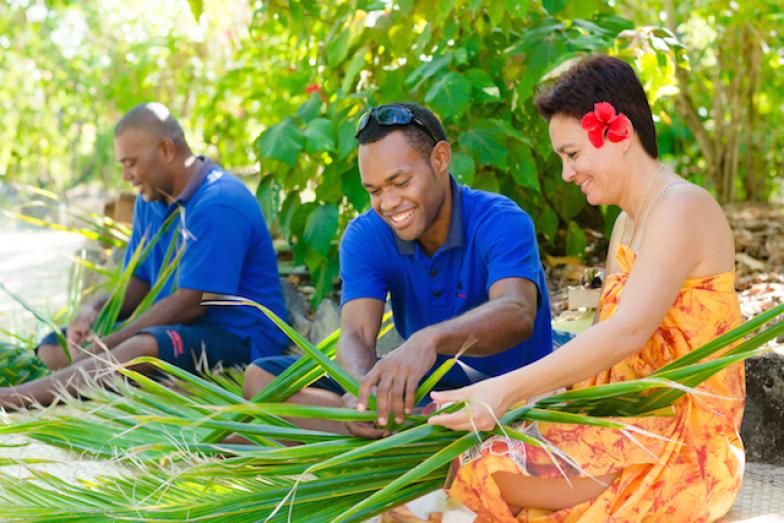
Our Arts and Culture programs are designed to deepen student engagement in school by centering cultural identity as a source of strength and belonging. Through creative expression and culturally grounded learning, students connect more meaningfully to their education—and to themselves.
These programs also create intentional spaces for elders to share wisdom, stories, and lived experience with the next generation. In this intergenerational setting, children, adults, and elders come together in a safe and welcoming environment to learn from one another and reaffirm the values that bind our community.
By understanding their heritage and history, participants gain a broader perspective of the world around them, develop pride in who they are, and build a foundation for lifelong learning, connection, and growth.
Children and Family Services
Family is the foundation of Pasefika (Pacific Islander) communities, yet many families are navigating increasing hardship within systems that were not designed with their cultural realities in mind. As family structures evolve—often including single parents, multigenerational households, and young parents—the need for accessible, culturally grounded support has become more urgent.
Pasefika teenage parents face disproportionate challenges, including overcrowded housing, economic instability, and limited access to coordinated services. While comprehensive data on Pasefika teen pregnancy remains scarce, lived experience and community observation make clear that the need is growing—and too often overlooked. These conditions place young families under significant strain and directly affect students’ ability to thrive academically.
Structural barriers such as cultural and linguistic disconnects, lack of representation, and inequitable access to resources continue to widen educational and opportunity gaps for Pasefika students. When families are unable to navigate complex systems or feel excluded from school engagement, students are left without the support they need to succeed.
VOPIN advocates for systemic change by delivering culturally responsive, family-centered services and amplifying Pasefika voices in education and community systems. Through intentional partnership, policy advocacy, and targeted support, we work to dismantle barriers, strengthen family engagement, and advance equity—ensuring Pacific Islander students and families are seen, supported, and empowered.